Systems Built to Handle Daily Business Demand
Commercial Plumbing System Support in Monroe for businesses with aging infrastructure and multi-unit flow requirements
James Plumbing Co. Inc. provides commercial plumbing system support across Monroe and Charlotte, handling everything from same-day diagnostics to coordinated permit processes for businesses operating in mixed commercial stock. The Charlotte corridor from Monroe to Harrisburg Road includes both newer construction and legacy systems that require different technical approaches, and your facility needs a plumber who understands the distinction. When a commercial system fails, downtime directly affects revenue, which is why this work prioritizes rapid assessment and parts availability that allow for same-visit restoration.
Commercial plumbing differs from residential work in flow capacity, fixture count, and code requirements—what works for a single-family home cannot handle a multi-unit building or high-traffic restroom. This service uses camera inspection and pressure testing to diagnose issues in systems where visual access is limited, then coordinates with local permitting and inspection schedules to keep projects compliant and moving forward. Parts are stocked on the truck for common commercial applications, which reduces the delay between diagnosis and repair.
Schedule an on-site evaluation to assess your current system capacity and identify potential failure points before they disrupt operations..
What Proper Commercial System Work Requires
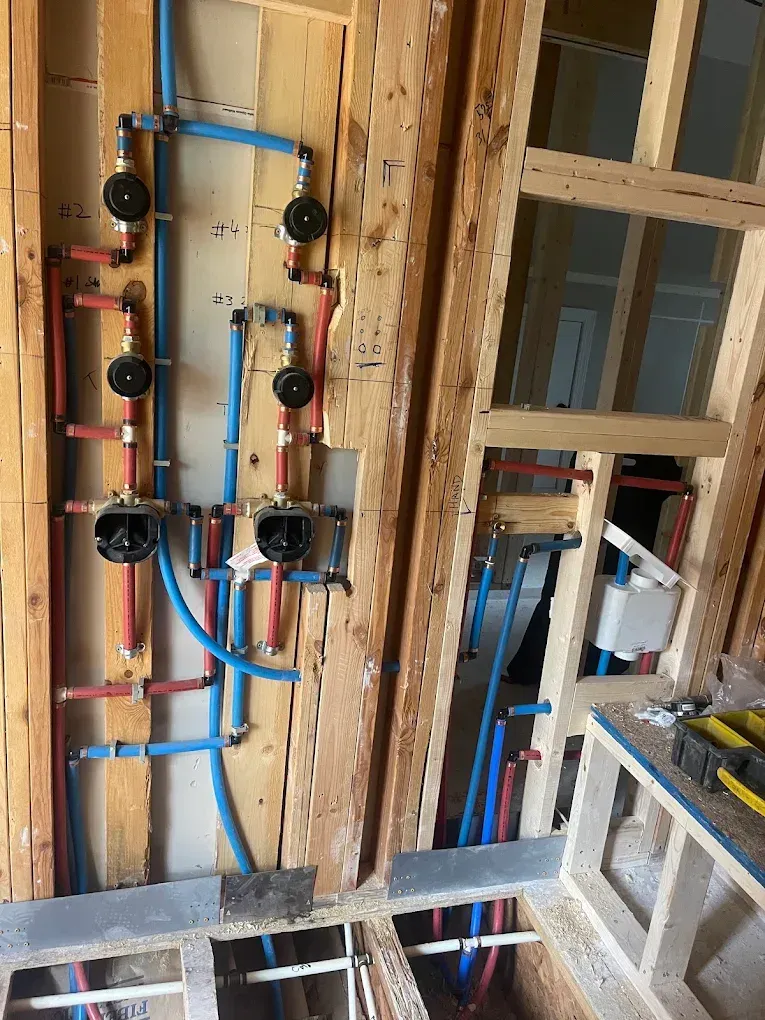
Commercial plumbing diagnostics begin with camera inspection and pressure testing to identify blockages, leaks, or capacity issues without tearing into walls or flooring prematurely. This approach maps the problem location accurately, which is critical in multi-story or multi-tenant buildings where assumptions lead to unnecessary demolition and extended closures. Once the issue is confirmed, repairs are coordinated with your operational schedule and local inspection requirements, which vary depending on building use and occupancy classification.
After repairs are completed, you'll notice restored flow capacity, elimination of slow drains or pressure drops, and compliance documentation that satisfies both your insurance carrier and municipal inspectors. High-flow applications—such as commercial kitchens, laundromats, or medical facilities—return to full operational capacity without the recurring stoppages that indicate undersized or deteriorating lines. Systems are tested under load to confirm that peak-use conditions no longer trigger failures.
This work includes coordination with general contractors during tenant improvements, which is common in the mixed commercial stock found throughout Monroe and the Charlotte corridor. New-construction knowledge allows for system expansions that accommodate added fixtures or increased demand, while legacy system expertise handles the cast iron, galvanized steel, and outdated venting found in older buildings that were never designed for current occupancy levels.
What Business Owners Usually Ask
Questions about commercial plumbing often focus on minimizing disruption and understanding what separates a quick fix from a compliant, lasting repair.
What happens during a commercial plumbing diagnostic?
A camera is inserted into your drain or sewer line to visually identify blockages, cracks, or root intrusion, while pressure testing confirms whether supply lines are maintaining proper flow under load—this gives you a clear picture of what needs repair before any demolition begins.
How does commercial plumbing differ from residential work?
Commercial systems handle higher fixture counts, continuous flow demands, and stricter code requirements, which means undersized piping, inadequate venting, or improper materials will fail quickly under the volume that businesses generate daily.
What permits are required for commercial plumbing repairs in Monroe?
Most commercial plumbing work requires a permit and inspection, especially if it involves changes to waste lines, water service upgrades, or gas line modifications—this process is coordinated as part of the service to keep your project compliant and on schedule.
Why do commercial systems fail more often in older buildings?
Legacy systems in the Charlotte corridor were built for lower occupancy and fewer fixtures, and materials like cast iron and galvanized steel deteriorate over decades, leading to blockages, leaks, and pressure loss that newer PVC and copper installations don't experience.
What should I look for when hiring a commercial plumber?
Look for a plumber who stocks parts for commercial applications, understands permit coordination, and has experience with both new construction and legacy systems—this combination ensures they can handle the scope of work your building requires without learning on the job.
James Plumbing Co. Inc. has served Charlotte-area businesses for over 60 years, with the institutional knowledge that comes from three generations of commercial and residential plumbing work. Arrange a system evaluation to review your current infrastructure and discuss options for repair, maintenance, or capacity upgrades specific to your building's needs.
